
Seeing buzzing insects around your home can be stressful, especially when you’re not sure what you’re dealing with. Bees and wasps may look similar, but they behave very differently—and handling their nests the wrong way can put your family at risk. Knowing how to tell them apart is the first step toward safer pest prevention this spring and summer in Phoenix.
⚠️ If you’ve noticed an active nest near your home, don’t wait. Contact Burns Pest Elimination today through our online contact form or call (877) 735-9189. Acting early can reduce safety risks and prevent the problem from growing.
Why It Matters to Know the Difference
Bees and wasps play different roles in nature, and they react differently when threatened. Misidentifying a nest can lead to dangerous stings, especially for children, pets, or anyone with allergies.
Understanding what you’re seeing helps you:
- Respond calmly and safely
- Avoid disturbing a nest
- Know when to call for professional help
How to Identify Bees
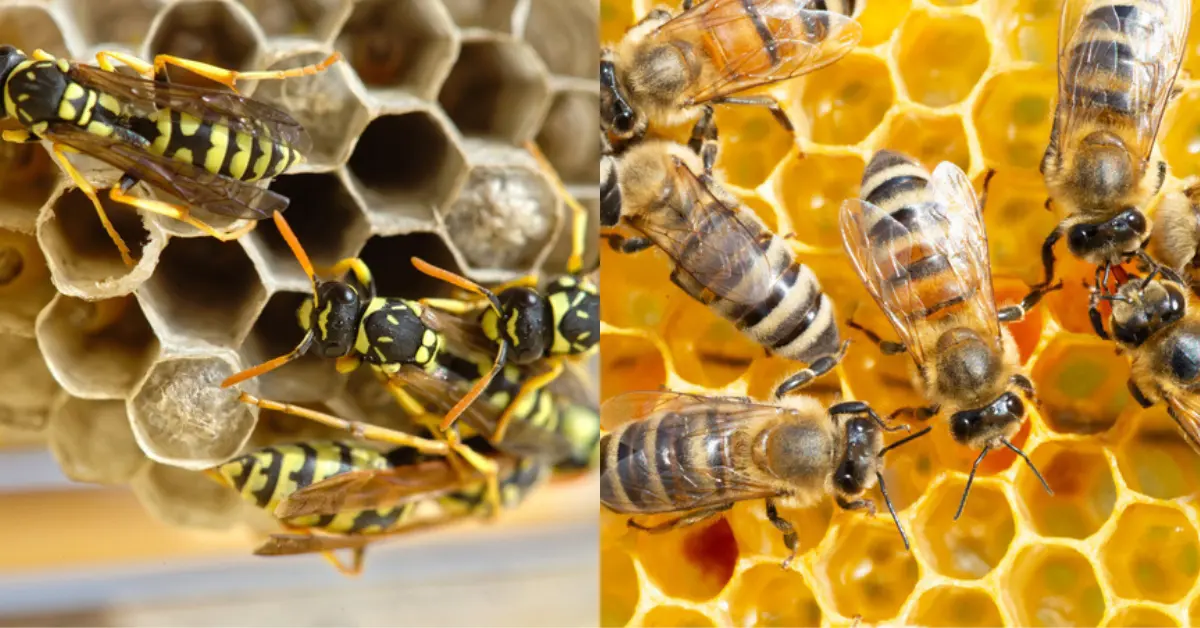
Bees are generally calmer and focused on collecting pollen. They are important pollinators, but they can become a concern if they build a hive too close to living spaces.
Common bee traits include:
- Fuzzy or hairy bodies
- Rounded shape
- Slower, less aggressive movement
- Usually sting only when threatened
Common nesting locations:
- Tree branches
- Roof eaves
- Wall voids
- Sheds or outdoor structures
If you suspect bees, learn more about safe options for bee hive removal before attempting any action.
How to Identify Wasps
Wasps tend to be more aggressive and territorial, especially near their nests. They can sting multiple times and may swarm if disturbed.
Common wasp traits include:
- Smooth, shiny bodies
- Slim waist with defined segments
- Bright yellow or black coloring
- Fast, aggressive flight patterns
Common nesting locations:
- Under roof overhangs
- Inside wall cavities
- Trees or bushes
- Garages and sheds
Wasps are more likely to react defensively, making DIY removal especially risky.
Bee Nests vs. Wasp Nests
Spotting the nest itself can also help with identification.
Bee nests often look like:
- Honeycomb structures
- Wax-based materials
- Hidden inside walls or cavities
Wasp nests usually appear as:
- Paper-like, gray or brown structures
- Open cells or layered shapes
- Hanging from eaves or branches
If you’re unsure, it’s best to avoid close inspection.
What NOT to Do
Trying to handle nests on your own can make the situation worse.
Avoid these common mistakes:
- Spraying store-bought chemicals
- Knocking down nests
- Using water or fire
- Blocking nest entrances
These actions can trigger aggressive behavior and increase the risk of stings.
Safe Next Steps for Homeowners
If you notice increased insect activity:
- Keep your distance from the nest
- Prevent children and pets from going near it
- Monitor activity without disturbing the area
- Reach out for a professional assessment
Early action often means safer, simpler solutions.
Protect Your Home This Season
Bee and wasp activity increases in spring and early summer across Phoenix. Proper identification and safe handling are key to protecting your household.
For pest control in Phoenix, contact Burns Pest Elimination via our online contact form or call (877) 735-9189. Our team can help you understand what you’re dealing with and recommend safe next steps for your home.