
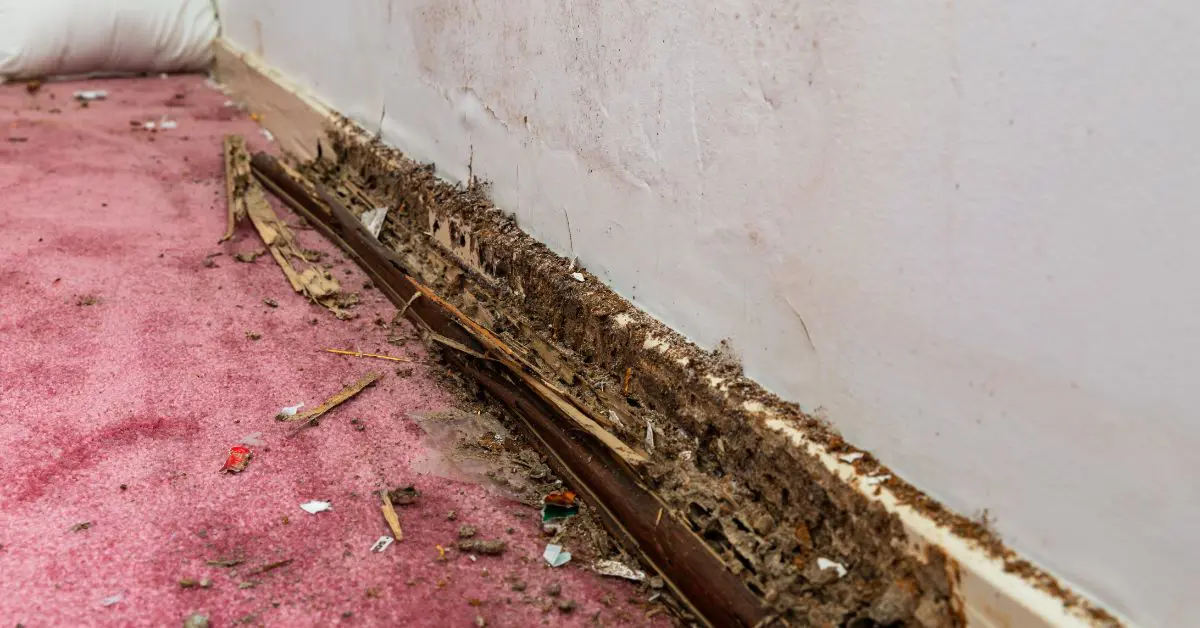
Winter often feels like a break from most bugs, but termites don’t follow the same pattern. Many homeowners assume these insects disappear in cold weather, only to be surprised later with unexpected damage. Understanding how termites behave during winter can help you protect your home before minor issues escalate into more significant repairs.
If you’re seeing signs of termite activity or want peace of mind, reach out through the online contact form or call (702) 710-8675. Early action helps prevent ongoing damage without unnecessary stress.
Why Termites Stay Active Even in Cold Weather
Unlike other insects that slow down during winter, termites remain active because they live deep underground or within warm structures, such as walls and crawl spaces. These protected spaces maintain the stability of their colonies and enable them to continue feeding.
Some key things homeowners should understand:
- Termites don’t hibernate. Activity continues as long as they stay warm.
- They move deeper into the soil when surface temperatures drop.
- Heated homes become attractive hiding places.
Winter Conditions That Allow Termites to Thrive
Even small changes in your property can make your home more welcoming:
- Leaks or moisture around the foundation
- Firewood stacked close to walls
- Cracks or gaps around plumbing lines
These areas create entry points that termites can use to reach wooden structures.
Common Signs of Winter Termite Activity
Because termites remain hidden, many signs can be easily missed. Keep an eye out for:
- Soft, damaged, or hollow-sounding wood
- Mud tubes near the foundation
- Droppings that look like tiny wood-like pellets
- Bubbling or uneven paint
If you notice any of these, contacting a professional for Termite Control in Phoenix, AZ is a good next step.
Why Winter Infestations Can Be Harder to Spot
During colder months:
- Termites stay deep inside walls, making damage less visible
- Swarmers (flying termites) rarely appear
- Activity may slow but doesn’t stop, allowing silent damage to continue
Regular inspections help identify problems early, even when signs are not immediately obvious.
How Homeowners Can Reduce the Risk of Winter Termite Problems
While termites are active year-round, simple steps can help reduce the chances of them entering your home.
Moisture Control
Termites are drawn to damp areas. To reduce risk:
- Fix leaky faucets, hoses, or irrigation lines
- Keep gutters and downspouts clear
- Ensure soil slopes away from the foundation
Home Maintenance
Small gaps and clutter can accidentally attract termites.
- Seal cracks around windows, pipes, and wiring
- Store firewood at least 20 feet away from the home
- Keep mulch thin and away from siding
Why Professional Termite Control Matters
DIY methods rarely reach hidden colonies. A trained team can:
- Identify the type of termite causing the issue
- Locate hidden entry points
- Provide safe, targeted treatments
For more information on protecting your home year-round, consider the residential termite solutions offered by .
When to Contact a Professional
Even small signs of activity should be taken seriously because termites work silently and steadily. If you notice anything unusual, scheduling an inspection can prevent additional damage.
Protect Your Home With Reliable Termite Care
If you’re concerned about termites this season, reach out to Burns Pest Elimination for safe, effective Termite Control in Phoenix, AZ. Use the online contact form or call (702) 710-8675 to get support from a team that understands local termite behavior and how to help homeowners stay ahead of problems.